the waffen ss at arnhem ian baxter
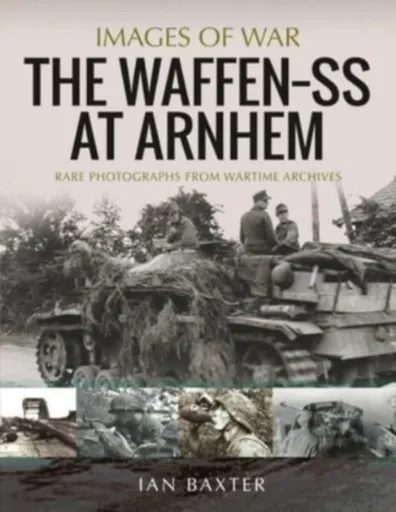
The Waffen SS at Arnhem - Ian Baxter
Describes how the ambitious Allied airborne Landing at Arnhem was thwarted by the presence of two elite Waffen-SS divisions. Covers the fierce action as the lightly armed Paras were worn down. Superb contemporary images of action and equipment. Compiled by leading IOW author.
Objev podobné jako The Waffen SS at Arnhem - Ian Baxter

The Waffen-SS at Kharkov - Massimiliano Afiero
At the beginning of 1943, the German armed forces were in crisis on the southern front in Russia. The Soviets had launched a series of offensives from November 1942 that pushed the Germans back hundreds of kilometers. The Germans had no more significant reserves available, and enormous breaches had opened between defensive lines. In early January 1943, the Soviets attacked again, with the aim of reconquering the industrial city of Kharkov and destroying the remaining German and Axis troops in southern Ukraine, including the 4. Panzerarmee, 1. Panzerarmee, Armeeabteilung Hollidt and Armeeabteilung Fretterâ€Pico.After the encirclement of 6. Armee at Stalingrad and the destruction of the Axis forces there, the loss of these four armies would certainly have led to German defeat on the Eastern Front. Believing victory was near, Stalin and his generals decided to launch their new offensives even before the garrison of Stalingrad surrendered. The main effort fell on Army Group Don, newly formed and with little forces available. Facing a massive offensive, Commander Erich von Manstein was ordered to hold the city at any cost, risking the destruction of two divisions of the Waffenâ€SS and the “Grossdeutschland†army division. SS Panzer Corps commander Paul Hausser disobeyed Hitler’s ... Unknown localization key: "more"
Objev podobné jako The Waffen-SS at Kharkov - Massimiliano Afiero
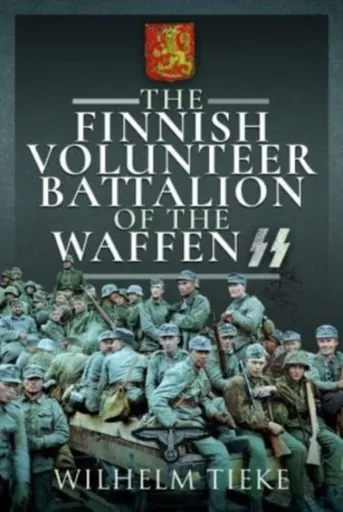
The Finnish Volunteer Battalion of the Waffen SS - Tieke Wilhelm
The Finnish Volunteer Battalion of the Waffen-SS had a unique history, serving with distinction in southern Russia before being recalled to fight against Soviet forces.The Finnish Volunteer Battalion of the Waffen-SS was a formation with a very unique history. Its members volunteered and were spirited out of Finland to Germany under watchful Russian eyes. Unlike other legions from various countries, the battalion did not fight until the end of the war. In fact, upon its return home, its soldiers were immediately drafted into the Finnish army and fought against the Soviets. When Finland sued for peace, former Finnish SS-men fought against German troops as they retreated from Finland. The Battalion joined the SS-Wiking Division in January 1942 and fought in southern Russia and the Caucasus until its mission ended in April 1943. With its soldiers badly needed on the home front, it was recalled due to intense pressure from the Finnish government. The battalion served with great sacrifice and proved itself worthy of being a part of one of GermanyÂ’s elite divisions.
Objev podobné jako The Finnish Volunteer Battalion of the Waffen SS - Tieke Wilhelm
Podívejte se také
Ian Malcolm figurka Tubbz
Sencor SCE 3050 SS s regulací intenzity aromatu
Gap SS Pocket dívčí velikosti
Maisto Chevrolet Camaro SS 1:24 bílá
rozšíření dětské zábrany Lindam SS Deco 14 cm
Jordan MJ 88 City SS tee
tričko Gant Shield SS černé
dětské triko Progress SS MARINO
rozšiřující prvek SS Deco stříbrný
topinkovač Severin AT 4321 s dvěma sloty
Superman 2025 české titulky Dolby Atmos
dostupný smyčec Soundsation AT-10VC
Wonka 4K Ultra HD HDR Dolby Atmos
Tubbz Five Nights at Freddy's Foxy
televize s reproduktory 20W a Dolby Atmos
běžecké boty s podešví AT-Tread
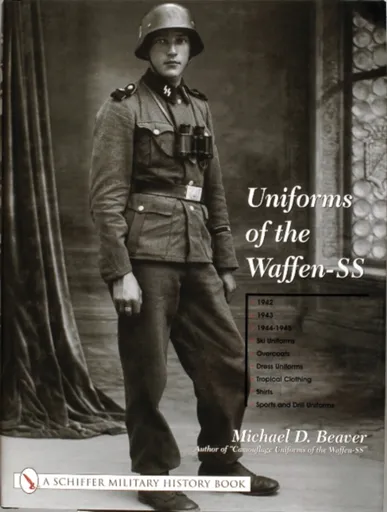
Uniforms of the Waffen-SS - Michael D. Beaver
This three-volume set is unquestionably the best reference on German SS military uniforms ever produced. This spectacular work is a heavily documented record of all major clothing articles of the Waffen-SS. Hundreds of unpublished bw photos were used in production. Original and extremely rare SS uniforms of various types are carefully photographed and presented here.
Objev podobné jako Uniforms of the Waffen-SS - Michael D. Beaver
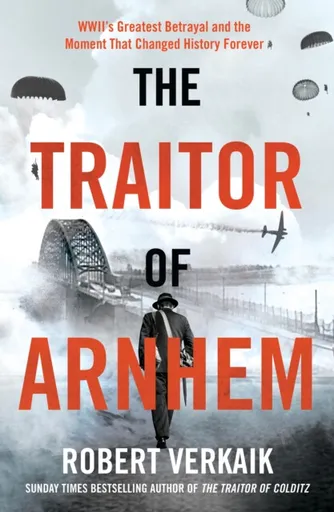
The Traitor of Arnhem - Robert Verkaik
Sunday Times Bestselling author of The Traitor of Colditz Robert Verkaik reveals the incredible never-before-told story of the role played by the Cambridge Spies in the British defeat at Arnhem''A breath-taking review of WWII''s greatest betrayal and the moment that changed history forever.'' Sunday Post"A bombshell book." Daily Mail"Original, thought-provoking and exceedingly well written." Robert Kershaw"Sensational." Daily Express"Robert Verkaik''s best book yet, a testament to his investigative skills, journalistic nous for a compelling story, and impressive understanding of the spy world." Richard Kerbaj***The end of the Second World War is in sight.Following the overwhelming victory on D-Day, Churchill, Roosevelt and Stalin all seek to shape the global future to their own ends and win the race to Berlin.The British launch Operation Market Garden, the greatest airborne operation the world has ever seen. It is a bold roll of the dice, which, if successful, will end the war in weeks. But behind the scenes, spies are working, and plans are betrayed, the operation fails and thousands of Allied soldiers die.The Traitor of Arnhem tells a never-before-told story of this iconic operation, and of the very different figures working in secret to cause the catastrophic defeat. One traitor a terrifying giant of ... Unknown localization key: "more"
Objev podobné jako The Traitor of Arnhem - Robert Verkaik
The East Pomeranian Offensive, 1945 - Ian Baxter
In early 1945, the Red Army marched into East Prussia. Having advanced across Poland, relentlessly pushing back German forces, the Red Army built up forces along the Oder River, preparing for the final push towards Berlin. But before that battle could take place, it was necessary to clear and destroy German forces in Pomerania and West Prussia. In February 1945, the 2nd Byelorussian Front was advanced west north of the Vistula River toward Pomerania and the major port city of Danzig, with the primary aim of protecting the right flank of Zhukov’s 1st Byelorussian Front, which was pushing towards Berlin. The opening of the offensive saw a series of heavy attacks east of Neustettin against the towns of Kontiz and Koslin. The fighting was bitter, resulting in the entire left wing of the 3rd Panzer Army being cut off.Forward Soviet tank units reached the Baltic, and the German forces in Pomerania became trapped in a series of encirclements. Russian troops then pushed on to Danzig—strategic location and the last German stronghold in the region—reaching it in early March and putting it under siege. A third stage was the operation to take the Arnswalde and Kolberg areas. Kolberg was one of ... Unknown localization key: "more"
Objev podobné jako The East Pomeranian Offensive, 1945 - Ian Baxter
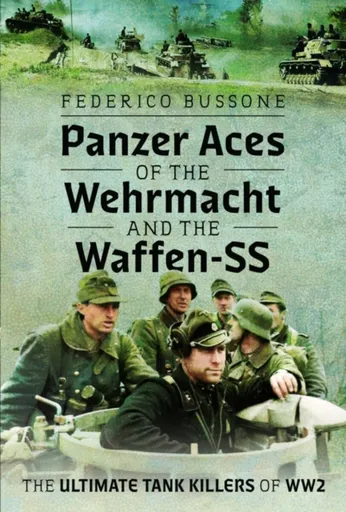
Panzer Aces of the Wehrmacht and the Waffen-SS - Federico Bussone
During the war hundreds of German panzer commanders and gunners accomplished the feat of personally destroying at least 20 enemy tanks. In this book they are for the first time all gathered together, with their individual stories examined in detail using officially documented combat actions, kills and awards. and illustrated with over 300 photos.
Objev podobné jako Panzer Aces of the Wehrmacht and the Waffen-SS - Federico Bussone
The Spice and Herb Bible - Ian Hemphill, Kate Hemphill
Třetí vydání encyklopedie koření a bylin poskytuje komplexní přehled 97 druhů koření s detailními fotografiemi a praktickými informacemi. Obsahuje 102 nových receptů, 33 kari směsí a 17 kořenících blendů s návody na jejich použití. Kniha slouží jako autoritativní referenční příručka pro domácí kuchaře i profesionály.
- Aktualizované třetí vydání s 6 novými druhy koření a 102 novými recepty
- Přehledné abecední uspořádání s detailními barevnými fotografiemi každé byliny a koření
- Praktické rady pro skladování a kombinování koření v domácí kuchyni
- Nové kapitoly s autentickými cestovatelskými zážitky ze světa koření
Objev podobné jako The Spice and Herb Bible - Ian Hemphill, Kate Hemphill
The SS - Robert Lewis Koehl
The SS grew out of Adolf Hitler and Heinrich Himmler''s obsession to prevent the treachery they believed to have caused the German defeat in the First World War. The SS was to be an elite corps of politically aware soldiers whose primary aim was to prevent the undermining of the Nazi Party by rendering its potential enemies harmless. This disturbing story reveals not only the inner workings of the SS, but its paramount role in the mass murder of Europe''s Jews, homosexuals and gypsies, its organisation of the death squads and the military campaigns undertaken by the Waffen SS.
Objev podobné jako The SS - Robert Lewis Koehl
The Brass Age - Slobodan Snajder
''Like Olga Tokarczuk, Šnajder has written a novel about a Europe that has lost its diversity and has beendestroyed by fascism, communism and, in recent times, nationalism ... a modern epic'' Le Monde''A masterpiece'' La RepubblicaThe very next day processions of young men, some still children, began to move around the little town of Nuštar, with drums providing a steady rhythm ... These young men came from German families, Germans living outside the Reich, Volksdeutsche. Some stayed in their houses, some were shut up in the storeroom by their mothers, but as time went on more and more of them followed the drumming ...1769. A hungry year in Germany. Kempf the ancestor departs his homeland with his compatriots in search of a brighter future. Years pass and generations of Germans make Slavonia their home. But in 1940, when Europe is at war once more, this minority, the Volksdeutsch, are called to fight for the Reich, for a land now foreign to them.Among their ranks is Georg Kempf, the narrator''s father. Forcibly conscripted into the Waffen SS, he deserts, aware of the danger that this involves. At the end of the war, he falls in love with a committed partisan ... Unknown localization key: "more"
Objev podobné jako The Brass Age - Slobodan Snajder
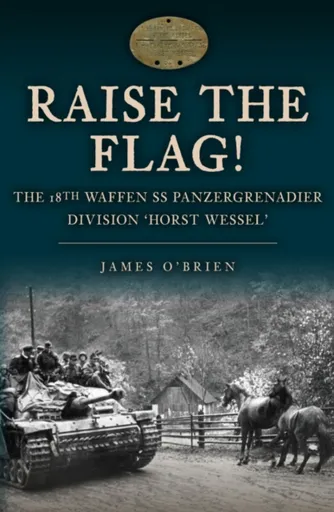
Raise the Flag! - James O'Brien
The Division was created as part of the 1944 expansion of the Waffen SS and was rooted in Hitler’s policy of divide and rule that he implemented even among his closest confidants. It was Hitler himself who made the decision that the division should be manned using volunteers from the Sturm Abteilung (SA) and bearing the name of the SA ‘martyr’ Horst Wessel, knowing that this would be anathema to Heinrich Himmler, head of the SS. Virtually no volunteers were forthcoming, which resulted in the division being fleshed out using ethnic Germans from the Hungarian/Yugoslav border regions, built around the 1st SS Motorised Infantry Brigade, a notorious ‘Anti-Partisan’ unit.The history of the Division offers a new perspective on the war in the East precisely because the unit was not feted, was not famous. Its equipment and training were inadequate. The assault guns earmarked for the Panzer Battalion were re-allocated to the 12th SS Panzer Division ‘Hitler Jugend’ and the Panzerjäger Battalion was trained using ‘Hetzer’ tank destroyers but was issued with unfamiliar Stug III assault guns on the eve of battle. For most of the war the Division conducted a fighting retreat until final capitulation in Czechoslovakia. Through meticulous research ... Unknown localization key: "more"
Objev podobné jako Raise the Flag! - James O'Brien
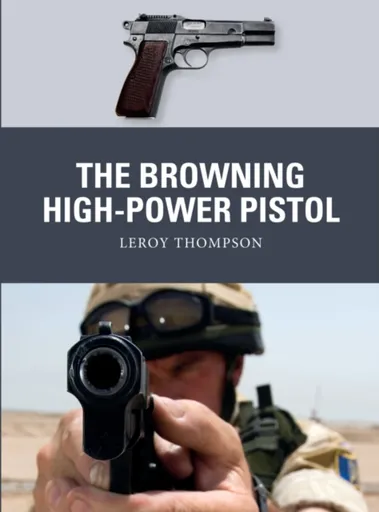
The Browning High-Power Pistol - Leroy Thompson
Making its debut in 1935, the Browning High-Power was the world’s most widely used military pistol for much of the 20th century. Military and law-enforcement agencies in more than 90 countries have issued the High-Power and it has seen combat in conflicts from World War II through to the ‘War on Terror’. After conquering Belgium, Nazi Germany produced more than 300,000 High-Powers for use by the Waffen-SS, Fallschirmjäger and others, and after 1945 the High-Power became standard for most NATO-armed forces as well as scores of others. Chambered for the 9×19mm Luger cartridge, John Browning’s High-Power improved on the classic Colt M1911 design, especially in its use of a far simpler takedown system. The pistol’s innovative 13-round magazine, designed by Dieudonné Saive, staggered the cartridges for higher capacity without unduly increasing the grip size. During its 82-year production run at Fabrique Nationale (FN) in Belgium, the design evolved slightly, but a 2017 High-Power was still easily recognizable as a descendant of the original model. Packed with gripping material including detailed technical specifications, contemporary photographs and highly accurate artist’s renditions, this title is a comprehensive and informative guide to the world’s most iconic semi-automatic pistol.
Objev podobné jako The Browning High-Power Pistol - Leroy Thompson
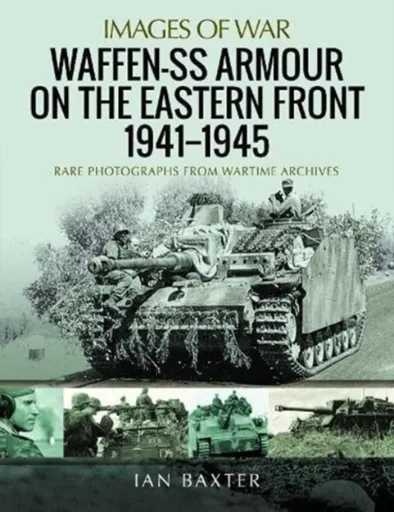
Waffen-SS Armour on the Eastern Front 1941 1945 - Ian Baxter
Covers the bitter fighting on the Eastern Front.
Objev podobné jako Waffen-SS Armour on the Eastern Front 1941 1945 - Ian Baxter
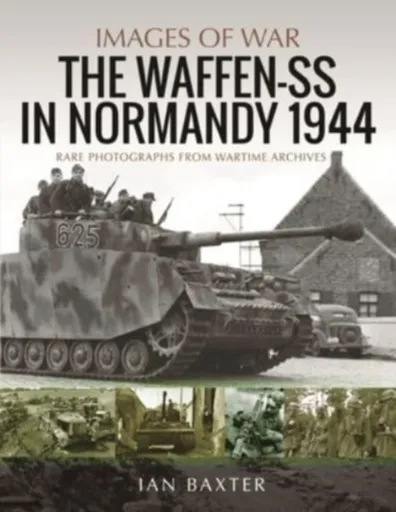
Waffen-SS in Normandy, 1944 - Ian Baxter
Superb well-captioned images show SS troops and their equipment in action.
Objev podobné jako Waffen-SS in Normandy, 1944 - Ian Baxter
The 29th Waffen-SS Grenadier Division "Italienische Nr.1": And Italians in Other Units of the Waffen-SS - Massimiliano Afiero
The Italian government signed an armistice with the Allies on September 8, 1943, but that did not mean the war was over in Italy. Italians continued to fight on both sides for the duration of the war. This study is focused on Italian volunteers in formations of the Waffen-SS. These include the SS Legion "Italiana" and 29th Waffen Grenadier Division "Italienische Nr.1." Beyond the explicitly Italian units, handfuls of men found their way into other divisions, such as the 4th SS Panzergrenadier Division "Polizei," 16th SS Panzergrenadier Division "Reichsführer-SS," the Karstwehr Battallion (later 24th SS Gebirgsjäger Division "Karstjäger"), and even the famous 1st SS Panzer Division "Leibstandarte." This work includes histories of the Italian Legion and the 29th Division, extensive interviews with Italian SS veterans from various units, and many excellent photographs from private collections in Europe.
Objev podobné jako The 29th Waffen-SS Grenadier Division "Italienische Nr.1": And Italians in Other Units of the Waffen-SS - Massimiliano Afiero
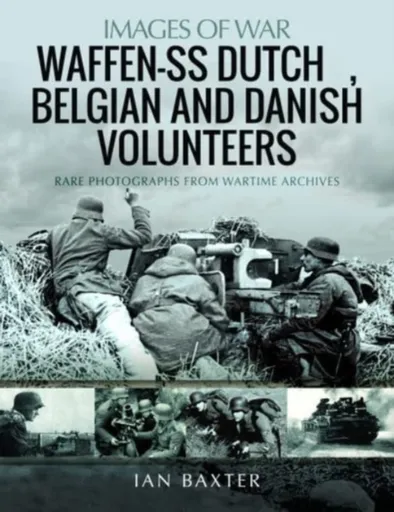
Waffen-SS Dutch & Belgian Volunteers - Ian Baxter
Describes the deployments and fighting records of the various divisions.
Objev podobné jako Waffen-SS Dutch & Belgian Volunteers - Ian Baxter
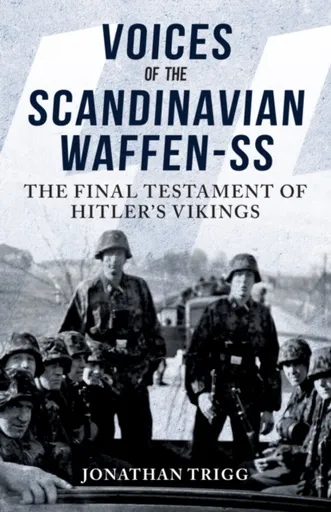
Voices of the Scandinavian Waffen-SS - Jonathan Trigg
At the beginning of the Second World War Nazi Germany invaded and occupied Denmark and Norway, but left neutral Sweden alone. Less than a year later citizens from all three of those Scandinavian nations volunteered to join the Nazi Waffen-SS and go and fight on the newly formed Eastern Front against Stalin’s Soviet Union. By the end of the war in 1945 the number of Scandinavians who had fought in the Waffen-SS had reached the thousands. Casualties were high, but there were survivors and they returned home, often to face retribution and condemnation. As time marches on the veterans are passing away. This book is about the war they fought in their own words – their last testament before they are all gone.The motivation of these men was complex: many volunteered through a deep hatred of communism, particularly in light of Moscow’s invasion of Finland in the Winter War. Some simply believed in Hitler’s vision of a new world order, while others were just young men with a craving for adventure.The Scandinavian Waffen-SS, in various configurations, saw action on the Eastern Front from 1941 onwards – at the siege of Leningrad, in the cauldron of the Demyansk Pocket, in the ... Unknown localization key: "more"
Objev podobné jako Voices of the Scandinavian Waffen-SS - Jonathan Trigg
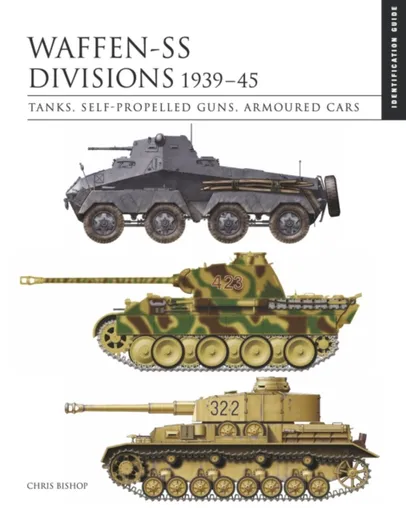
Waffen-SS Divisions 1939–45 - Chris Bishop
Illustrated with detailed artworks of SS tanks and their markings with exhaustive captions and specifications, Waffen-SS Divisions 1939–45 is the definitive study of the equipment and organization of Himmler’s armored divisions. Organized chronologically by division and formation date, the book describes in depth the various models of tank and other armored and soft vehicles in service with the “fighting” SS, with listings of unit commanders, vehicle types and numbers, and unit structure. Each divisional section is further broken down by campaign, accompanied by orders of battle, a brief divisional history of the campaign, and any specific unit markings. Every SS division that saw combat is featured, from well-known units such as the elite Das Reich and Wiking divisions, to lesser-known divisions, such as the 11th Waffen-SS Panzer Division Nordland and the Albanian-recruited 21st Waffen-SS Gebirgs-Division Skanderbeg. With information boxes accompanying the full-color artworks, all drawn to the same scale for easy comparison, Waffen-SS Divisions 1939–45 is a key reference guide for modelers and military history enthusiasts with an interest in the Waffen-SS divisions of World War II.
Objev podobné jako Waffen-SS Divisions 1939–45 - Chris Bishop
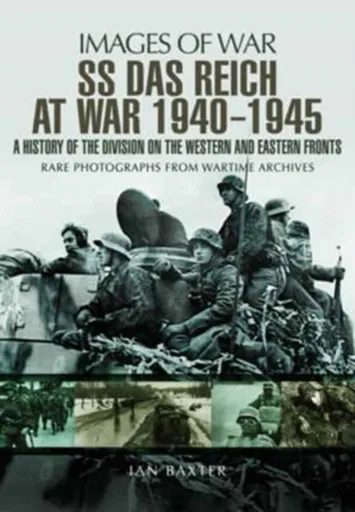
SS Das Reich At War 1939-1945: History of the Division - Ian Baxter
The Das Reich Division was one of the most effective and ruthless fighting formations of WW2.
Objev podobné jako SS Das Reich At War 1939-1945: History of the Division - Ian Baxter
Waffen-SS: Hitlerova armáda ve válce (978-80-264-3222-7)
Kniha - autor Adrian Gilbert, 464 stran, česky, pevná bez přebalu lesklá Waffen-SS si během druhé světové války získala pověst nelítostných vojáků, ale také válečných zločinců. Renomovaný britský historik Adrian Gilbert ve své knize předkládá ucelený příběh těchto jednotek od jejich vzniku a rozvoje, přes působení ve válce až po zánik Waffen-SS a poválečné soudy. Pozornosti autora neunikají ani osudy jednotlivců a důsledně dokumentuje mnohé válečné zločiny, které mají příslušníci Waffen-SS na svědomí.
Objev podobné jako Waffen-SS: Hitlerova armáda ve válce (978-80-264-3222-7)
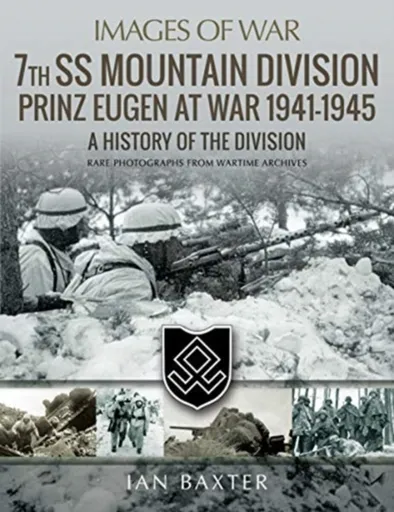
7th SS Mountain Division Prinz Eugen At War 1941-1945 - Ian Baxter
The SS Prinz Eugen Division was an elite mountain fighting formation of WW2.
Objev podobné jako 7th SS Mountain Division Prinz Eugen At War 1941-1945 - Ian Baxter
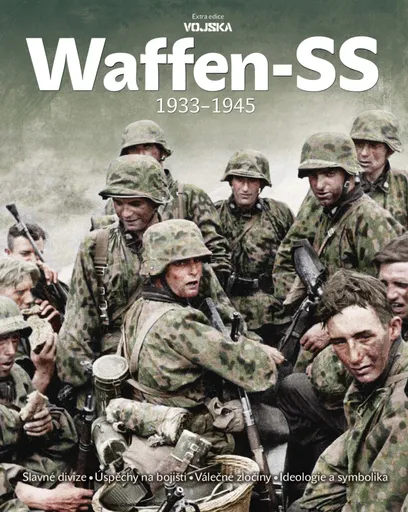
Waffen-SS 1933–1945
Slavné divize, úspěchy na bojišti, válečné zóny, ideologie a symbolika. Původně malá jednotka určená k ochraně Adolfa Hitlera se po začátku války rychle rozrůstala a v roce 1942 na frontě bojovalo již několik divizí Waffen-SS, složených z Němců i zahraničních dobrovolníků. Svých nejslavnějších úspěchů dosáhly na jaře a v létě 1943 – u Charkova elitní esesáci vybojovali poslední velké vítězství na východní frontě, u Kurska zase jako jediní dokázali překonat několik pásem sovětské obrany. Tou dobou už ale měli muži v maskovacích převlečnících a s runami Sieg na výložkách na kontě také řadu masakrů civilistů a další rychle přibývaly... Prozkoumejte kontroverzní historii Waffen-SS, která zahrnuje příklady dokonale zvládnutého vojenského řemesla i ty nejhorší válečné zločiny spáchané ve jménu nacistické ideologie. Výstroj a výzbroj Uniformy, maskovací vzory, ruční zbraně a další vybavení Kurt „Panzer" Meyer Muž, který se stal zosobněním agresivní útočné doktríny Zahraniční dobrovolníci Co Evropany lákalo do řad Himmlerovy černé armády? SS Hitlerjugend v Normandii Fanatický a krvavý odpor proti Spojencům v létě 1944
Objev podobné jako Waffen-SS 1933–1945
Waffen-SS Soldier vs Soviet Rifleman - Chris McNab
Fully illustrated, this study assesses the Soviet and Waffen-SS troops who contested the cities of Kharkov and Rostov-on-Don on the Eastern Front during 1942–43. As the Axis invasion of the Soviet Union unfolded, two places that suffered exceptionally severely were Kharkov (now Kharkiv) in Ukraine and Rostov-on-Don in Russia. In total, Kharkov would change hands violently four times between October 1941 and August 1943, and Rostov-on-Don also four times between November 1941 and February 1943. In this book, Chris McNab examines the fighting men of the Red Army and the Waffen-SS who clashed in three battles – one for Rostov (July 1942) and two for Kharkov (February–March and August). He clearly explains the key differences between these two opponents – training, tactics, weaponry, ideology and motivation – and examines how these differences played out in the three engagements, which ranged from open-terrain combined-arms battles to close-quarters street fighting in major urban zones. The text is complemented by specially commissioned artwork and mapping and carefully chosen archive photographs.
Objev podobné jako Waffen-SS Soldier vs Soviet Rifleman - Chris McNab
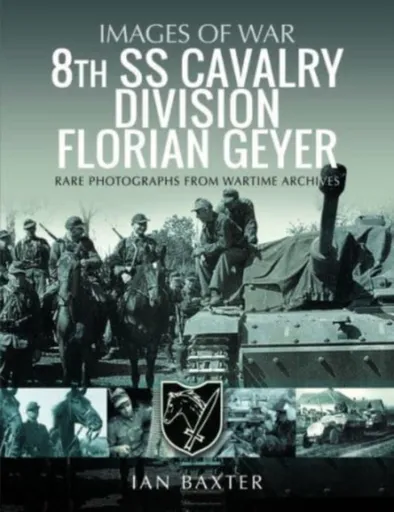
8th SS Cavalry Division Florian Geyer - Ian Baxter
Covers the operations of a leading SS Cavalry Regiment. Latest in the Author's popular SS Divisions/ Images of War series.
Objev podobné jako 8th SS Cavalry Division Florian Geyer - Ian Baxter
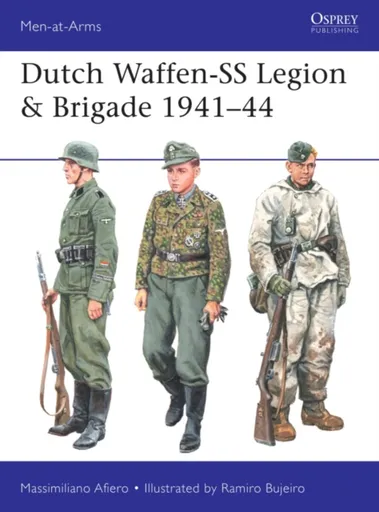
Dutch Waffen-SS Legion & Brigade 1941–44 - Massimiliano Afiero
Goebbels’ 1941 propaganda campaign to present Germany''s invasion of the USSR as a battle for European civilization against Asian barbarism convinced many men in occupied ''Germanic'' European countries, such as Scandinavia and the Low Countries, to volunteer to fight on the Russian Front. One of the strongest national legions of such a kind was raised in the Netherlands, where it was supported by a large pro-Nazi movement led by Anton Mussert. The 3,000-man Netherlands Volunteer Legion fought on the Leningrad front in regimental strength, from the Red Army''s winter 1941/42 counter-offensive until April 1943. The survivors were then reinforced to form a 5,500-strong Panzergrenadier Brigade, and after anti-partisan service in Croatia, they returned to Army Group North as part of Steiner''s III SS Panzer Korps, fighting in the most arduous battles of 1943–44 until driven back into Pomerania. In the final months of the war the division formed the nucleus of the new 23rd SS Volunteer Panzergrenadier Division ''Nederland''.In this illustrated study of the Dutch Waffen-SS Legion and Brigade, specialist Massimiliano Afiero explores the full history of this important formation from its establishment in 1941 until it was incorporated into the ‘Nederland’ Division in 1944. Contemporary photographs and full-colour illustrations ... Unknown localization key: "more"
Objev podobné jako Dutch Waffen-SS Legion & Brigade 1941–44 - Massimiliano Afiero
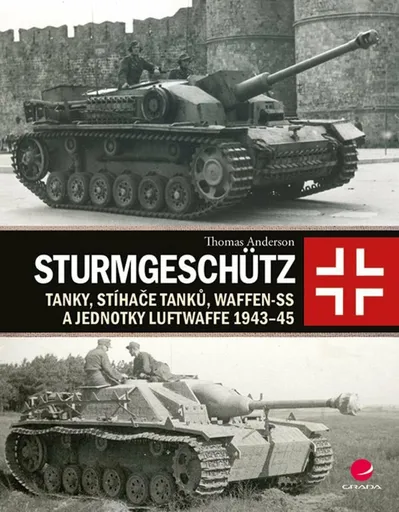
Sturmgeschütz - Tanky, stíhače tanků, Waffen-SS a jednotky Luftwaffe 1943-45 - Thomas Anderson
V roce 1940 získaly jednotky, jimž velel generál Erich von Manstein, zastánce myšlenky obrněných prvků u pěchoty, 30 strojů Sturmgeschütz a tak se zrodila nová vojenská síla – Sturmartillerie. Útočné dělo Sturmgeschütz bylo původně plánováno jako podpůrná zbraň pěchoty, která měla likvidovat kulometná hnízda a v omezené míře plnit úlohu protitankové zbraně. Poté, co se vozidlo StuG osvědčilo u Sturmartillerie, začalo se nasazovat u různých dalších typů jednotek, jako Waffen-SS, Panzerjäger a polní jednotky Luftwaffe, i u pěších divizí.Na východní frontě byl Sturmgeschütz schopen porazit i vynikající střední tanky T-34 a těžké tanky KV. Jak má Anderson ve zvyku, jeho text oživují četné citace z bojových hlášení, hodnocení, tabulky a statistiky. Veškerý uveřejněný materiál je založen na válečné dokumentaci, z níž velká část je uložena hlavně v archivech NARA a Bundesarchiv/Militärarchiv.Nesmírně cenné jsou pak pro čtenáře samozřejmě dobové fotografie.
Objev podobné jako Sturmgeschütz - Tanky, stíhače tanků, Waffen-SS a jednotky Luftwaffe 1943-45 - Thomas Anderson
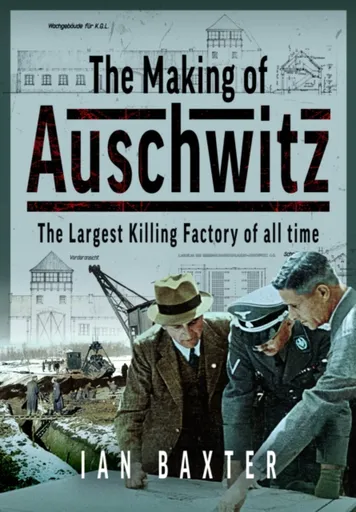
The Making of Auschwitz - Ian Baxter
Commemorating 80 years since the liberation of Auschwitz-Birkenau, this book tells the story of the camp’s construction and its evolution into the largest mass murder factory of all time. Using hundreds of captured German documents and architectural plans, the book is a unique historical source of how the architects came to plan and accomplish the horror we now call Auschwitz. Drawing on key documents from the Building Office archive, this in-depth study uses plans, letters, telegrams, worksite labour reports and minutes of meetings. It reveals how the SS needed civilian knowledge to install electrical, sewage and heating systems, and build chimneys and other structures. It explains how various outside contractors were involved in cooperating in genocide and shows just how eager they were to produce goods for the SS for financial reward. Just after the construction had begun on Birkenau in 1941, architectural plans were presented to include new crematoria and gas chambers. By the summer of 1943 Birkenau had been transformed into a murder camp but building and planning to further extend the site continued. In November 1944 Himmler gave the order to halt and dismantle the extermination facilities to conceal their murderous activities. When the Red Army arrived ... Unknown localization key: "more"
Objev podobné jako The Making of Auschwitz - Ian Baxter
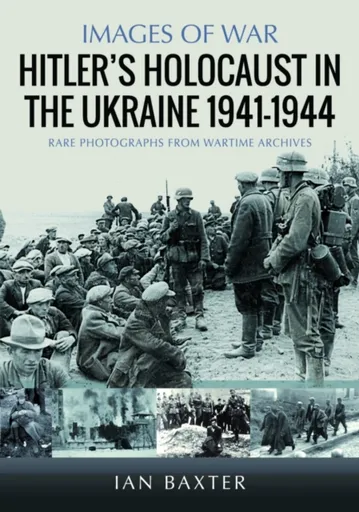
Hitler’s Holocaust in the Ukraine 1941-1944 - Ian Baxter
Prior to the German invasion of the Soviet Union in June 1941, Ukraine was home to one of the largest Jewish populations in Europe. It is estimated that almost one million Jews were murdered in the Ukraine between 1941 – 1944. Many of those Jews killed in 1941 were by the Einsatzgruppen death squads, Order Police Battalions, Ukrainian Police Auxiliary units, collaborators and Wehrmacht forces. Most of those people executed were killed close to where they lived. Holocaust in the Ukraine tells the plight of the Jewish community in the Ukraine and the mass killings that took place there. It shows how German forces occupied a large part of German-occupied Ukraine, and incorporated it into what was known as the Reichskommissariat Ukraine. Within a week of the German invasion of the Ukraine police units and their auxiliaries, under the guidance of members of the Einsatzgruppen began murdering Jewish communities. There were various massacres including Babyn Yar where some 33,000 Jews were executed during a two-day period in August 1941. One of the first massacres in the Ukraine was ordered only days after the start of the German invasion known as the Lviv pogroms where 6,000 Jews were murdered by Einsatzgruppen ... Unknown localization key: "more"
Objev podobné jako Hitler’s Holocaust in the Ukraine 1941-1944 - Ian Baxter
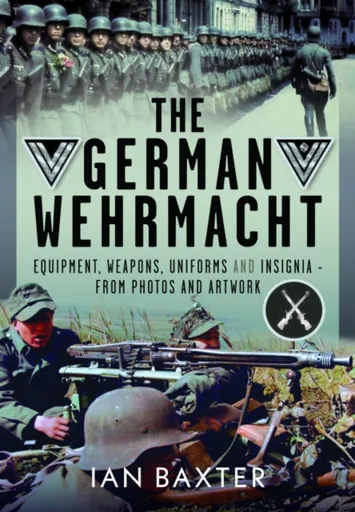
The German Wehrmacht - Ian Baxter
The German Wehrmacht: Equipment, Weapons, Uniforms and Insignia offers a highly illustrated record of the German soldier in the Second World War. Starting with the early victories in Poland in 1939 and concluding with the desperate final defences of 1945, this volume provides an in-depth visual exploration of the uniforms and insignia worn by the Wehrmacht at that time. Featuring over 300 rare and previously unpublished photographs, 50 of which are presented in full colour, this book showcases the full range of attire worn by German troops. From standard service dress and winter camouflage to armoured crew uniforms and protective gear, the volume covers it all, including headgear, rank insignia and battlefield equipment. Every image is accompanied by a detailed caption, bringing to life the appearance of soldiers of all ranks from privates and NCOs to generals, infantrymen, mountain troops, tank crews and assault gun operators. Beyond the visual documentation, the book offers a detailed analysis of how the German army meticulously developed its fighting force into a formidable war machine. It explores how different branches of the military were equipped across various theatres of war, from Europe and Russia to North Africa. Whether you're a military historian, collector or ... Unknown localization key: "more"
Objev podobné jako The German Wehrmacht - Ian Baxter
The Soviet Baltic Offensive, 1944-45 - Ian Baxter
This is a compelling account of the German defense of the Baltic States of Estonia, Latvia and Lithuania. Against overwhelming Soviet forces the book shows how the German Army Group North was driven across the Baltics from Leningrad and fought a number isolated battles including the defense of Narva, Memel and the Kurland pocket. The book outlines in dramatic detail how Hitler forbade his troops to withdraw, ordering them to follow his Halt Order Decree and fight to the death. However, exhausted and demoralized by continuous Soviet assaults, Army Group North became cut-off and isolated, fighting fanatically to hold the capital cities of Tallin, Vilnius and Riga. What followed were German forces fighting to the death in the last few small pockets of land surrounding three ports: Libau in Kurland, Pillau in East Prussia and Danzig at the mouth of the River Vistula. In the Kurland, German divisions became surrounded and fought a vicious defense until May 1945. Drawing on a host of rare and unpublished photographs accompanied by in-depth captions and text, the book provides an absorbing read of the Red Army''s conquering of the Baltics.
Objev podobné jako The Soviet Baltic Offensive, 1944-45 - Ian Baxter
The Vistula-Oder Offensive - Ian Baxter
The Vistula-Oder offensive was a massive Soviet Army operation on the Eastern Front which was launched on 12 January 1945 and paved the way for the Battle of Berlin. Its main objective was a major advance from the River Vistula to the River Oder, bringing Soviet forces within fifty miles of the gates of Berlin. The offensive faced a German defensive line east of Warsaw. These 450,000 German troops were outmatched three to one by the Soviet forces. The Red Army assault began what would be a devastating three weeks for the German forces of Army Group A.German attempts to hold their lines and avoid being sucked into a maelstrom of destruction were unsuccessful. Army Group A would collapse almost all the way back to Berlin, ending the Third Reich’s desperate efforts to cling onto land captured in Poland five years earlier, and stem enemy forces spilling over into Germany and threatening Berlin. The battle saw some 295,000 soldiers killed and 147,000 captured, as well as thousands of tanks, artillery, and machine guns destroyed. Within two months of the offensive the battle of Berlin was launched.This fully illustrated book relates this story of defeat and survival, offering a detailed visual ... Unknown localization key: "more"
Objev podobné jako The Vistula-Oder Offensive - Ian Baxter
The Crimean Offensive, 1944 - Ian Baxter
By October 1943, the German 17th Army had been forced to retreat from the Kuban bridgehead across the Kerch Strait to Crimea. During the following months, the Red Army pushed back the German forces in the southern Ukraine. In November 1943, they eventually cut off the land-based connection of 17th Army through the Perekop Isthmus. Hitler prohibited a sea evacuation of 17th Army because he thought the Red Army could use the Crimean Peninsula to launch air attacks against Romanian oil refineries.In November 1943, the Russian launched a massive amphibious assault at two locations on the eastern coast of the Crimea, but its units were unable to prevent an Axis counterattack that collapsed the southern bridgehead. The Red Army held the bridgehead at Yenikale, from which they launched further offensive operations, culminating in a huge offensive in April 1944. Although the 17th Army bitterly contested every bit of ground, it was unable to stop the advance. Soviet forces reached Kerch on April 11, forcing the 17th Army to retreat towards Sevastopol. The remaining Axis forces in the Crimea were concentrating around the city by the end of the third week of April.The Germans intended to hold Sevastopol as a fortress, ... Unknown localization key: "more"
Objev podobné jako The Crimean Offensive, 1944 - Ian Baxter
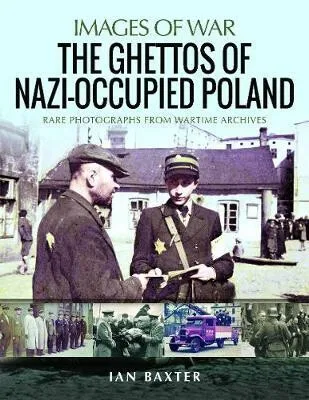
The Ghettos of Nazi-Occupied Poland - Ian Baxter
Following the 1940 invasion of Poland, the Nazis established ghettos in cities and towns across the country with the initial aim of segregating and isolating the Jewish community. These closed sectors were referred to as Judischer Wohnbezirk or Wohngebiet der Juden (Jewish Quarters).Using contemporary images this well researched and inevitably harrowing book shows the harsh and deteriorating conditions of daily life in these restricted areas. In reality the ghettos were holding areas prior to the transportation to concentration, extermination and work camps, such as Auschwitz-Birkenau and Belzec. Aware of their imminent fate including the threat of family separation, enslavement and death, underground resistance groups sprung up and promoted numerous uprisings which were brutally and callously suppressed.The Nazis' ultimate aim was the liquidation of the ghettos and the extermination of their inhabitants in furtherance of The Final Solution. This may seem unthinkable today but, as this book graphically reveals, they worked to achieve their objective regardless of human suffering.
Objev podobné jako The Ghettos of Nazi-Occupied Poland - Ian Baxter
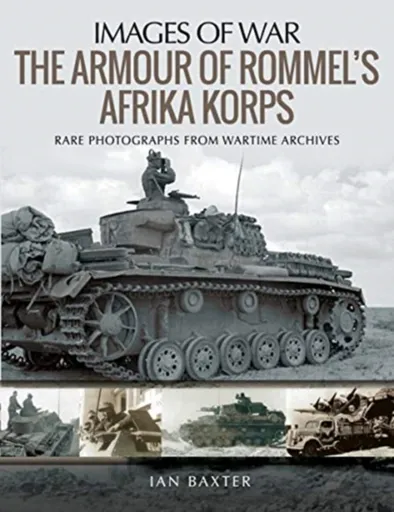
The Armour of Rommel's Afrika Korps - Ian Baxter
A comprehensive record of the formidable vehicles that the Afrika Korps possessed with superb contemporary images covering all the armoured equipment supported by full captions.
Objev podobné jako The Armour of Rommel's Afrika Korps - Ian Baxter
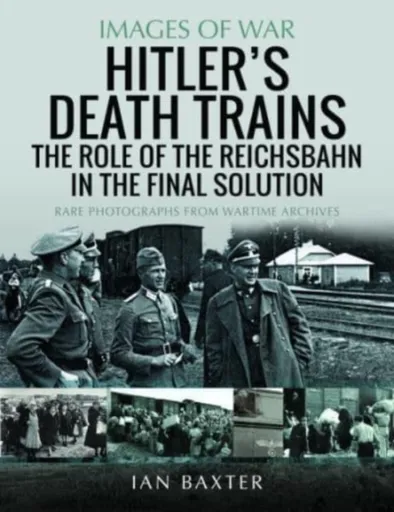
Hitler's Death Trains: The Role of the Reichsbahn in the Final Solution - Ian Baxter
An aspect of the Holocaust not previously covered.
Objev podobné jako Hitler's Death Trains: The Role of the Reichsbahn in the Final Solution - Ian Baxter
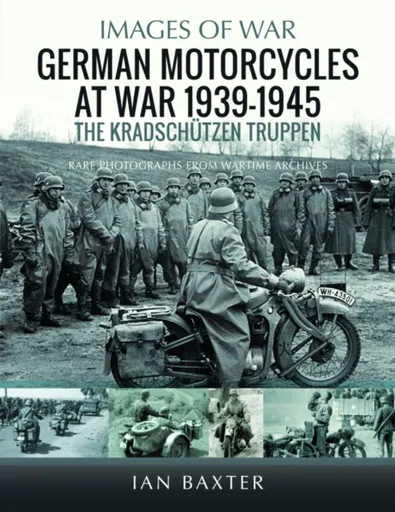
German Motorcycles at War, 1939–1945 - Ian Baxter
The success of fast-moving Blitzkrieg tactics by the Nazi war machine depended on high mobility. With their on- and off-road capabilities, motorcycles became an important component of the Nazi war machine’s arsenal making a particularly significant impact in French and Russian campaigns. The motorcycles were used in a variety of roles including patrolling, intelligence gathering, and police duties in occupied Europe. Motorcyclists could be found in every unit of an infantry and Panzer division including headquarters which had a motorcycle messenger platoon. Their versatility also enabled them to survey enemy positions until coming under fire before reporting back with vital intelligence relating to enemy locations and strengths. The German industry produced wide range of motor-bikes for military use. By 1938 some 200,000 motorcycles were produced in Germany and occupied territories. The principal makes included BMW, DKW, NSU, Triumph, Victoria, and Zundapp. Sidecar combinations, often mounted with an MG34/42 machine gun, also made the bike a very effective weapon. By describing in words and contemporary images the role of the German motorcycle and motorcyclists during the Second World War, this Images of War book fills an overlooked gap in coverage of Nazi military capability. It emphasizes that the German military perfected ... Unknown localization key: "more"
Objev podobné jako German Motorcycles at War, 1939–1945 - Ian Baxter
Panzer-divisions at War 1939-1945 (Images of War Series) - Ian Baxter
From the beginning in 1935, this book describes the different elements that went into the Panzer-Divisions. It is a visual account with 270 black-and-white photographs. It covers the main theatres of war (Poland, France, North Africa, Eastern Front and Normandy to Germany). It is complemented with captions.
Objev podobné jako Panzer-divisions at War 1939-1945 (Images of War Series) - Ian Baxter
11th Waffen-SS Freiwilligen Panzergrenadier Division “Nordland†- Massimiliano Afiero
The 11th SS Freiwilligen (Volunteer) Panzergrenadier Division “Nordland†was formed in 1943. Despite what the name indicated, this was not an all-volunteer or fully Nordic unit. The ranks were filled with men from across Europe, many of them conscripts. A cadre of Norwegians in the Regiment 23 “Norge†and Danes in the Regiment 24 “Danmark†formed the backbone of the new division. Nordland was deployed in antipartisan operations in Croatia in the fall of 1943. In 1944 the division saw hard fighting and heavy casualties against the Red Army at Leningrad, Narva, Tannenberg, and Kurland. In 1945, Nordland, a division comprising mostly non-Germans, was among the final formations to continue the fight in Berlin. This new illustrated history of the division includes more than 500 photos from the most-extensive private collections in Europe, along with extensive maps and tables. Appendixes provide a clear explanation of the division''s order of battle, a full lists of award recipients, and a glossary of ranks and insignia.
Objev podobné jako 11th Waffen-SS Freiwilligen Panzergrenadier Division “Nordland†- Massimiliano Afiero
Magic Is Dead: My Journey into the World's Most Secretive Society of Magicians - Ian Frisch
In the vein of Neil Strauss The Game and Joshua Foer s Moonwalking with Einstein comes the fascinating story of one man s colorful, mysterious, and personal journey into the world of magic, and his unlikely invitation into an underground secret society of revolutionary magicians from around the world. Magic Is Dead is Ian Frisch s head-first dive into a hidden world full of extraordinary characters and highly guarded secrets. It is a story of imagination, deception, and art that spotlights today s most brilliant young magicians a mysterious club known as the52, who are revolutionizing an ancient artform under the mantra Magic Is Dead. Ian brings us with him as he not only gets to know this fascinating world, but also becomes an integral part of it. We meet the52 s founding members Laura London, Daniel Madison, and Chris Ramsay and explore their personal demons, professional aspirations, and what drew them to their craft. We join them at private gatherings of the most extraordinary magicians working today, follow them to magic conventions in Las Vegas and England, and discover some of the best tricks of the trade. We also encounter David Blaine; hang out with Penn Jillette; meet Dynamo, ... Unknown localization key: "more"
Objev podobné jako Magic Is Dead: My Journey into the World's Most Secretive Society of Magicians - Ian Frisch
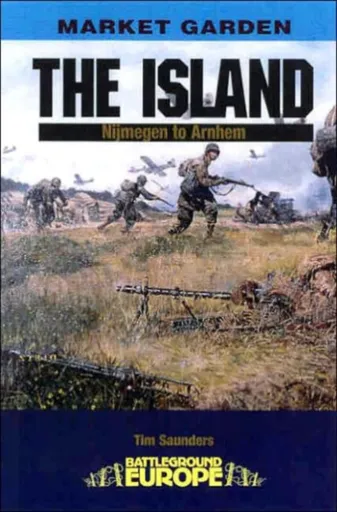
Island: Nijmegen to Arnhem - Tim Saunders
Having fought their way up fifty miles of Hell's Highway and through Nijmegen, XXX Corps was just ten miles from Arnhem and 1st British Airborne Division. The Island is flat land between the Waal at Nijmegen and the Rhine at Arnhem. The situation was increasingly bad with the remainder of II SS Panzer Corps in the area and German counter attacks on Hell's Highway preventing the Allies applying their material superiority. The Guards Armoured and then 43rd Wessex Infantry Division took turns to lead before reaching the Rhine opposite the paratroopers in the Oosterbeek Perimeter.Attempts to cross the Rhine by the Polish Paras and the Dorset Regiment had little success but, meanwhile, the guns of XXX Corps ensured the survival of the Perimeter. After some desperate fighting on the island, 43 Wessex Division evacuated just two thousand members of the elite Airborne Division who had landed eight days earlier.
Objev podobné jako Island: Nijmegen to Arnhem - Tim Saunders

The Light of Other Days - Stephen Baxter, Sir Arthur C. Clarke
In the most exciting SF collaboration ever, Arthur C. Clarke and his universally acknowledged heir Stephen Baxter pool talent, fantastic ideas, unprecedented cosmic insights as well as page-turning plotting skills and breathlessly good writing to produce the most awesome novel of the future since 3001.’Space is what keeps everything from being in the same place. Right?’ With these words Hiram Patterson, head of the giant media corporation OurWorld, launches the greatest communications revolution in history. With OurWorld’s development of wormhole technology, any point in space can be connected to any other, faster than the speed of light. Realtime television coverage is here: earthquakes and wars, murders and disasters can be watched, exactly as they occur, anywhere on the planet.Then WormCams are made to work across time as well as space. Humanity encounters itself in the light of other days. We witness the life of Jesus, go to the premiere of Hamlet, solve the enigmas that have baffled generations. Blood spilled centuries ago flows vividly once more – and no personal treachery or shame can be concealed.But when the world and everything in it becomes as transparent as glass and there are no more secrets, people find new ways to gain ... Unknown localization key: "more"
Objev podobné jako The Light of Other Days - Stephen Baxter, Sir Arthur C. Clarke
The Lions: When the Going Gets Tough - Ian McGeechan
Fully updated to contain Sir Ian McGeechan''s reflections on the 2017 Lions tour to New Zealand. 2017 saw the latest contest between the British Lions and New Zealand - the ultimate rugby clash between the northern and southern hemisphere. Ian McGeechan is the ''Ultimate Lion'', and no one could have done more than McGeechan to promote the magic of the Lions. McGeechan played for the Lions in their unbeaten 1974 tour of South Africa, and again in the 1977 tour of New Zealand. Subsequently he has been the head coach on four Lions tours. In this unique and fascinating book which celebrates the immensity of rugby at the top level, Ian McGeechan uses his own coaching notes to provide his special insight and background into what it means to be a Lion. By looking at various themes such as selection, how to create the right environment and how to build the players into what he describes as ''Test-match animals'' the reader learns how some of the most successful Lions tours in history were built. Writing always with passion for his various themes it is easy to see how he inspired his players to extraordinary physical endeavour.Rich in anecdote as well ... Unknown localization key: "more"
Objev podobné jako The Lions: When the Going Gets Tough - Ian McGeechan
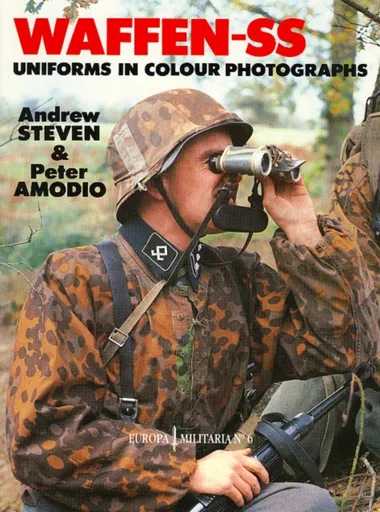
EM6 Waffen-SS Uniforms in Colour Photographs - Andrew Steven
This title offers a reference source for the uniform collector, modeller and student of military dress and equipment. Privates, NCOs, officers, infantrymen, mountain troopers, tank and assault gun crews are all illustrated here as they appeared on the actual battlefield, and described in detail.
Objev podobné jako EM6 Waffen-SS Uniforms in Colour Photographs - Andrew Steven
From Churchill's SAS to Hitler's Waffen-SS - Michael Scott
Thanks to the author's painstaking research, this is a compelling yet shocking biography of one of the most intriguing, colourful and disreputable characters of his era. How he escaped with his life is a question readers will ponder.
Objev podobné jako From Churchill's SAS to Hitler's Waffen-SS - Michael Scott
Panther: Germany Army and Waffen-SS - Oliver Dennis
Detailed design and operational history of the Panther tank. Focuses on the Panthers that played a key role during the German retreat across Western Europe.
Objev podobné jako Panther: Germany Army and Waffen-SS - Oliver Dennis
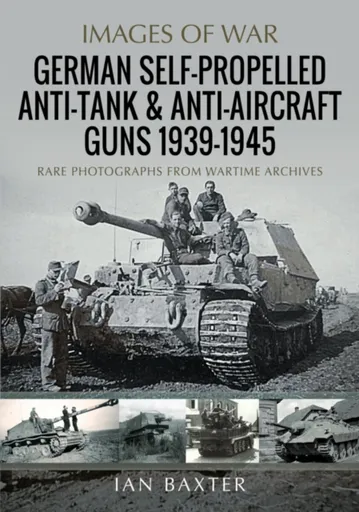
German Self-Propelled Anti-Tank and Anti-Aircraft Guns, 1939-1945 - Ian Baxter
Self-propelled anti-tank and anti-aircraft vehicles were a key element of the Nazi Army during the Second World War. Anti-tank weapons assumed great importance from the outbreak of war as combatants developed ever more effective armoured vehicles and tactics. Some were little more than stopgap solutions, such as mounting the weapons on a tracked vehicle to give enhanced mobility, while others were more sophisticated designs. Examples of the development of tank destroyer technology throughout the war are the Marders, Jagdpanzer 38, and Nashorn. In order to provide much needed fire power, vehicles like the 5-ton Sd.Kfz.6 halftrack mounted Soviet 76.2mm field guns. The Marder series played a key role supporting armoured operations with their anti-tank guns. Anti-aircraft firepower was vital to give protection to troops from increasingly potent Allied ground-attack. The Germans also mounted anti-aircraft guns onboard halftracks such as the Sd.Kfz.10/5 and 10/4 armed with 2cm Flak guns, the medium Sd.Kfz.7/1 halftrack mounting 2cm flak guns, including quadruple flak guns on certain modified vehicles. Later in the war there was the Flakpanzer 38 (t) with a 2cm flak gun, an Sd.Kfz.6/2 Flak halftrack, and the Flakpanzer IV `Wirbelwind` with a rotating flak gun turret armed with quadruple 2cm flak guns. ... Unknown localization key: "more"
Objev podobné jako German Self-Propelled Anti-Tank and Anti-Aircraft Guns, 1939-1945 - Ian Baxter
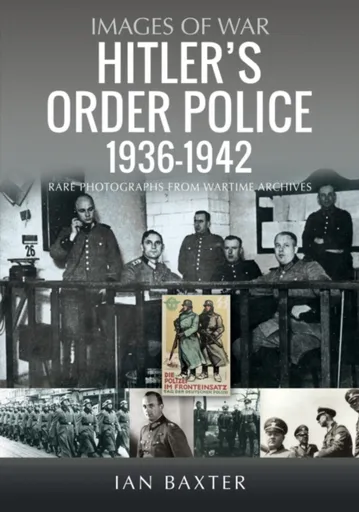
Hitler’s Order Police 1936–1942 - Ian Baxter
The Ordnungspolizei or Order Police was one of the main apparatus for the security of Nazi Germany. During the 1930s, Heinrich Himmler, Head of the SS, along with the Commander-in-Chief of the Order Police, Kurt Daluege, totally reconstructed the police force of the Weimar Republic into a number of strong militarized formations. Those that served in this new police force were more than ready to carry out any order that the Nazi's required of them including persecution of Jews and anyone deemed inferior to the regime. In fact, in 1938, police units participated in the annexation of Austria and the occupation of Czechoslovakia. A year later when Germany invaded Poland, the role of the police changed forever. Police units were deployed alongside the German military including the special murder squads of the Einsatzgruppen. In Poland, Order Police were transformed into militarized police battalions and participated in combat operations which included carrying out security duties behind enemy lines. These duties were often sinister and alongside some Wehrmacht, Waffen-SS and Einsatzgruppen, the police battalions engaged in the systematic murder and annihilation of Poles and Jews. Following the conquest of Poland the Nazi leadership created a massive recruitment drive conscripting more than 95,000 ... Unknown localization key: "more"
Objev podobné jako Hitler’s Order Police 1936–1942 - Ian Baxter

Out of the Darkness - Ian O'Connor
Instant New York Times Bestseller"A masterwork. ... O''Connor answers every question, deftly and deeply, that we''ve had about the most controversial person in America''s biggest game." —Peter KingFour-time New York Times bestselling sport biographer Ian O’Connor pulls back the curtain on four-time NFL MVP Aaron Rodgers, delivering the definitive portrait of the legendary yet mysterious quarterback who has astonished, befuddled, yet always captivated fans of America’s #1 sport.Aaron Rodgers is among the two or three most talented players to ever hold the most important job in American team sports – quarterback. He also stands as the most mysterious and polarizing figure in the modern-day national pastime that is professional football.From his controversial Covid stance to his methods of spiritual awakening to his estrangement from his family to his high-profile romances to his devastating Achilles injury a mere four plays into his New York Jets career, Rodgers has long dominated the NFL’s news cycle.At thirty-nine, in search of a challenge that would rejuvenate him, Rodgers divorced the iconic Green Bay Packers of Vince Lombardi fame for the Jets, who have not appeared in a Super Bowl since Neil Armstrong stepped on the moon. The trade made Rodgers the biggest story in ... Unknown localization key: "more"
Objev podobné jako Out of the Darkness - Ian O'Connor
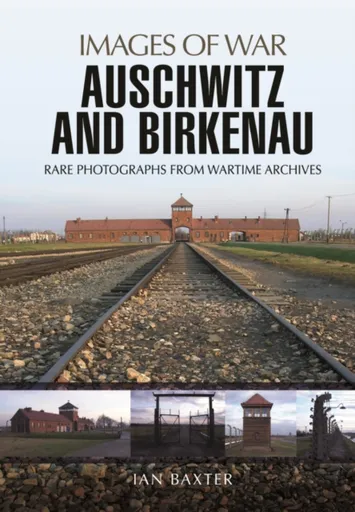
Auschwitz and Birkenau - Ian Baxter
A fine collection of rare contemporary and modern day images, many never before published of the Auschwitz Birkenau complex.
Objev podobné jako Auschwitz and Birkenau - Ian Baxter
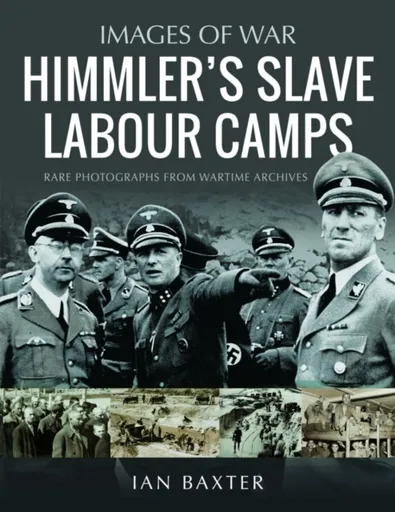
Himmler's Slave Labour Camps - Ian Baxter
Shortly after their rise to power, the Nazis established specific Arbeitslager (labour camps) which housed Ostarbeiter (eastern workers), Fremdarbeiter (foreign workers) and other forced labourers who were rounded up and brought in from the east. These were distinct from the SS-run concentration camps. The use of forced labour grew significantly in 1937 due to rearmament requirements and again after the outbreak of warThe invasion of the Soviet Union in June 1941 further heightened demands for labour and the availability of new workers in areas under Nazi occupation. Vast numbers were deported to forced labour camps, where they worked either producing war materials or on construction projects. As in the Nazis’ view, inmates were slaves pure and simple and replaceable with others, there was a complete disregard for the health of prisoners. Required to work long hours with little or no time for rest or breaks they were subject to insufficiencies of food, equipment, medicine and clothing. As a result of these conditions and brutal treatment, death rates were shockingly high. By 1945, more than fourteen million people had been exploited in the network of hundreds of forced labour camps that stretched across Nazi-occupied Europe. In true Images of War series ... Unknown localization key: "more"
Objev podobné jako Himmler's Slave Labour Camps - Ian Baxter